
China has officially unveiled its 15th Five-Year Plan, outlining a bold roadmap for artificial intelligence (AI) development through 2030. The strategy positions AI as a central pillar of national growth, alongside quantum computing, biotechnology, and energy innovation. This move is more than policy planning. It signals how one of the world’s largest economies intends to shape the future of technology, infrastructure, and digital society.
What Happened
China’s latest Five-Year Plan places AI at the heart of its long-term economic and technological agenda. The government has outlined a multi-layered strategy that combines hardware development, advanced research, infrastructure expansion, and real-world deployment.
At the core of the plan are three major AI pillars:
1. Computing Power and Infrastructure

China aims to build large-scale “intelligent computing clusters” across the country. These national hubs will provide shared computing resources, allowing businesses, researchers, and public institutions to access high-performance AI capabilities.
Importantly, the plan introduces market-based mechanisms such as leasing computing power. This approach is designed to reduce barriers for startups and smaller firms that typically lack access to expensive AI infrastructure.
2. Advanced AI Models and Research
The government is prioritizing next-generation AI technologies, including:
- Multi-modal AI systems
- Agent-based AI models
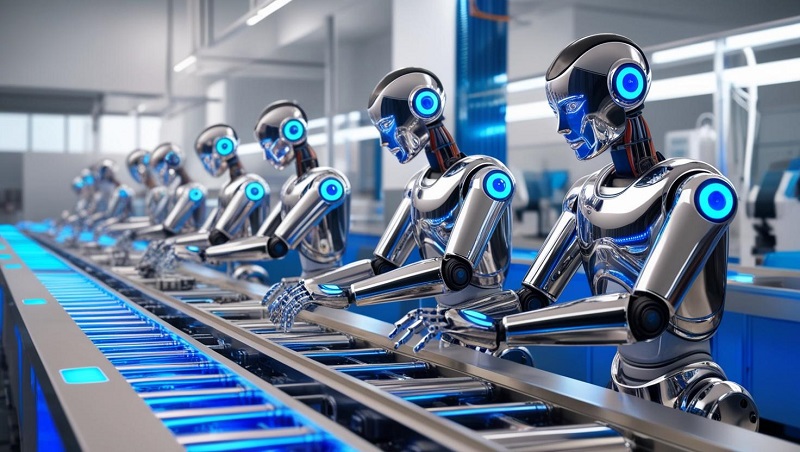
- Embodied AI (AI integrated into physical systems like robots)
In addition, there is strong emphasis on developing high-performance AI chips and foundational algorithms. Academic institutions and industry players are expected to collaborate closely to accelerate innovation.
3. Data Systems and Digital Networks
AI development will be supported by a major upgrade in digital infrastructure, including:
- Satellite communication systems
- Advanced 5G (5G-A) networks
- Early-stage 6G research
These technologies will enable faster data transmission and processing, which are critical for large-scale AI deployment.
Why It Matters
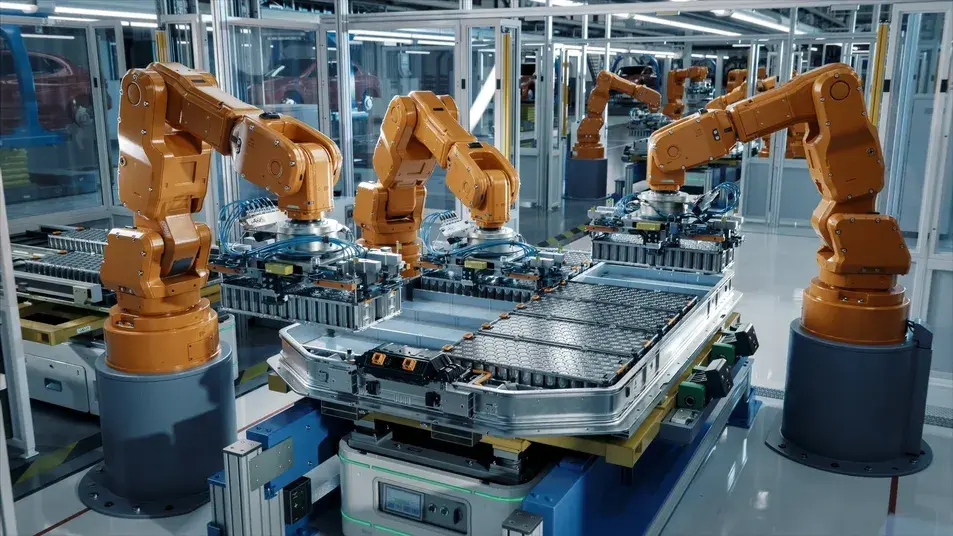
China’s AI strategy is not limited to research labs. It is designed for large-scale, real-world impact across industries and daily life.
Economic Transformation
AI will play a growing role in key sectors such as:
- Manufacturing and industrial design
- Energy system management
- Agriculture and food production
- Logistics and financial services
This could significantly improve efficiency, reduce costs, and drive innovation across the economy.
Social Applications
The plan also highlights AI integration into public services, including:
- Education: Adaptive learning systems tailored to individual students
- Healthcare: AI-assisted diagnostics and decision support
- Elderly care: Smart monitoring and support systems
- Public services: More efficient welfare and administration systems
For students, researchers, and professionals, this means increasing demand for AI-related skills and interdisciplinary expertise.
Deeper Insight: China’s Distinct AI Strategy
One of the most interesting aspects of the plan is China’s approach to AI development.
Unlike the Western model, which often focuses on large, proprietary systems controlled by a few major tech companies, China appears to favor:
- Smaller, efficient AI models
- Broader accessibility of computing resources
- Integration across industries rather than concentration
This approach could lead to faster adoption at scale, especially in sectors like manufacturing and public services.
At the same time, the government is placing strong emphasis on regulation. The plan calls for:
- Legal frameworks for AI governance
- Mandatory registration of algorithms
- Increased transparency and security standards
It also acknowledges risks such as data misuse and deepfakes, indicating a more cautious and controlled rollout of AI technologies.
What Comes Next
While the Five-Year Plan provides a high-level roadmap, many implementation details are still to emerge. Over the next few years, key developments to watch include:
- Expansion of national AI computing hubs
- Breakthroughs in domestic AI chip production
- Growth of AI-powered industries and services
- New regulations shaping data and algorithm governance
Global observers will also be watching how China’s AI strategy compares with Western approaches. The next phase of AI development may be defined by this contrast between centralized, large-scale models and more distributed, accessible systems.
Ultimately, China’s plan suggests that AI will not just be a technological tool, but a foundational layer of economic growth, public services, and societal transformation in the years ahead.


0 Comments